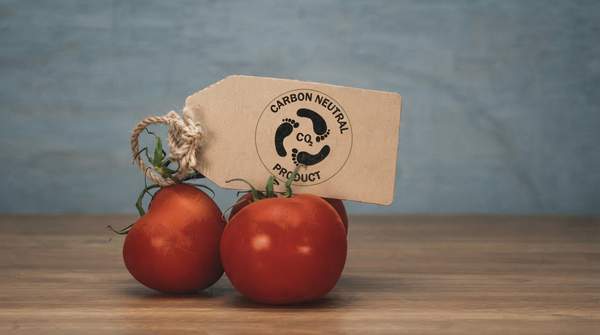
Step up to any serious bar today and you will hear the vocabulary of virtue: organic this, sustainable that, farm-to-glass everything. But "organic" is not a synonym for "ethically sourced," and the difference matters when your negroni depends on bitter botanicals, your daiquiri on cane sugar, and your margarita on agave harvested by human hands. Ethical sourcing, as corporate and international frameworks define it, is a much broader commitment: it asks whether suppliers uphold fair labor practices, make a positive social impact, and practice environmental sustainability.
Beyond the Label: What Is Ethical Sourcing in Mixology?
In the context of a cocktail program, ethical sourcing means looking at the full journey of every ingredient—from the field where agave or sugarcane grows, through the distillery, to the garnish in your glass—and asking whether the people and places along that chain were treated responsibly. IBM's business editors define it simply: ethical sourcing ensures that suppliers and vendors meet certain ethical standards, including fair labor practices, positive social impact, and environmental sustainability.
The Chartered Institute of Procurement and Supply adds the human dimension, describing it as sourcing products in a sustainable and responsible way, where workers are safe, paid a living wage, and treated fairly, in an environment free of fraud, corruption, and bribery. For the cocktail enthusiast, that translates into questions about who harvested your botanicals, how your fruit was grown, and whether your distiller knows its own supply chain well enough to answer.
The Limits of 'Organic': Why It's Not Enough
Organic certification is genuinely valuable—but it is narrow. Under the U.S. Department of Agriculture's organic standards, certified operations manage soil fertility through tillage, crop rotations, and cover crops; control pests and weeds primarily through physical, mechanical, and biological methods; and are prohibited from using genetic engineering, ionizing radiation, and sewage sludge. Certified operations must also keep auditable compliance records, maintained for at least five years and available for inspection.
What that certification does not cover, as Greenly's sustainability writers point out, is how workers are treated in the process. Organic refers only to how the food is produced; the major difference between organic and ethically sourced products is that ethical sourcing addresses the wider range of areas that procurement can affect—human rights, working conditions, and community wellbeing among them. An organic lime is still picked by someone, and the label tells you nothing about their wages.
Core Principles of Ethical Sourcing for Your Bar
Frameworks from international bodies and major corporate sourcing codes converge on three pillars that any consumer can apply to spirits, botanicals, and fresh produce. Sedex, a supply-chain data organization, recommends sourcing guided by the International Labour Organization's Fundamental Principles and Rights at Work—covering freedom of association, the elimination of forced labor, and non-discrimination—and the United Nations Guiding Principles on Business and Human Rights.
Corporate responsible-sourcing codes, such as Philip Morris International's supplier principles, translate these into dozens of specific obligations for suppliers, ranging from child labor and forced labor to land rights, occupational health and safety, wages and benefits, and working time. On the environmental side, the same codes extend to resource consumption, waste minimization, forests and biodiversity, and climate action.
Labor Practices: Ensuring Fair Treatment from Farm to Glass
Labor is where organic labels fall shortest—and where cocktail ingredients can be most exposed. Harvesting agave for tequila, cutting sugarcane for rum, and picking fruit for syrups and garnishes are physically demanding, often seasonal jobs performed by some of the most vulnerable workers in the supply chain. The relevant standards are specific: no child labor, no forced labor or human trafficking, freedom of association and collective bargaining, safe working conditions, fair wages and benefits, and reasonable working time.
When you evaluate a spirit brand, these are the concrete questions to ask. Does the producer know who farms its raw material, and can it say whether those workers earn a living wage? A distillery that cannot—or will not—answer questions about its agricultural workforce is telling you something, whatever its bottle says about organic grain.
Environmental Impact: Stewardship for Sustainable Sips
The environmental pillar goes well beyond avoiding synthetic pesticides. Responsible sourcing codes address resource consumption and waste minimization, environmental management systems, forest and biodiversity protection, and climate action. For mixology, that means asking how water-intensive crops are managed, whether distillery byproducts are handled responsibly, and whether botanicals like juniper or cinchona are harvested in ways that pressure wild populations.
Compliance with local and international environmental regulations is a baseline, not a differentiator; transparency about practices is what separates genuine stewardship from greenwash. Suppliers that openly share information on sourcing practices, supplier identities, and origins of materials build the accountability that ethical sourcing requires.
Business Integrity & Community Engagement: Beyond Compliance
The third pillar is the least visible but no less consequential. Corporate sourcing codes treat anti-bribery and anti-corruption, fair competition, conflicts of interest, and responsible marketing as fundamental requirements for doing business. In sourcing regions where raw materials trade informally, integrity in the buying relationship determines whether farmers are paid honestly.
Community engagement is the positive face of the same principle. Sourcing choices can favor suppliers that invest in local communities, provide education, and improve healthcare—and research on restaurant sourcing suggests that inclusive supply chains can strengthen local economies and social cohesion. For a bar, that might mean a liqueur producer supporting its growers rather than simply buying at the lowest price.
Ethical Sourcing Decision Framework for Cocktail Enthusiasts
Use this matrix to interrogate a brand's claims—whether you are stocking a home bar or judging a venue's program. Each row turns an abstract principle into questions any consumer can pose.
| Dimension | What It Covers | Questions to Ask a Brand or Bar |
|---|---|---|
| Labor Practices | Human rights and working conditions throughout the supply chain: no child or forced labor, freedom of association, occupational health and safety, fair wages, and reasonable working time | Who harvests your raw material, and do you know whether they earn a living wage? Can you name your agricultural suppliers? Do you audit labor conditions? |
| Environmental Impact | Sustainable resource management, waste minimization, biodiversity and forest protection, climate action—broader than organic's production-method focus | How do you manage water and distillery waste? Do you source botanicals in ways that protect biodiversity? What is your climate commitment? |
| Business Integrity & Community | Anti-bribery and anti-corruption, fair competition, transparency about suppliers, and positive investment in producer communities | Are you open about your supply chain and supplier identities? Do you invest in the communities that grow your ingredients? |
The framework's logic is deliberately cumulative. An organic certification answers only the middle column's production questions; the labor and integrity rows expose what the label leaves out. A brand that answers all three rows credibly—with specifics, not slogans—is the one whose sourcing claims deserve your trust.
Making Conscious Choices: Your Role in Ethical Mixology
When selecting cocktail ingredients or evaluating a bar, prioritize brands that demonstrate transparency and commitment across labor, environmental, and business integrity principles, rather than relying solely on organic labels. This is a guide to principles, not a rating of specific brands—and because "ethical sourcing" is not a universally codified legal standard, the burden of demonstration falls on the producer.
The measurable indicators to look for are concrete: clear communication from brands about their supply chain practices, third-party certifications that address labor and community as well as agriculture, and named initiatives supporting the workers and communities behind the bottle. When a distiller can tell you who grew its agave and what that community gained from the relationship, you have found something an organic sticker alone can never promise.