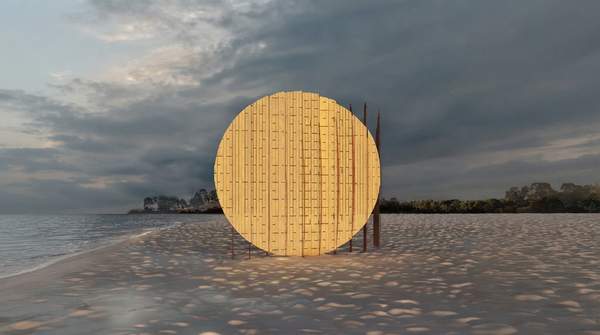
The white cube is no longer the only place where art happens. Among the many contemporary practices that reject it, three movements stand out for the clarity of their challenge: Street Art paints the city itself, Installation Art makes the environment the work, and Conceptual Art makes the idea the only necessary object. Each relocates art in a different way—one into public space, one into the viewer's body, one into the mind—and each redefines what the audience is supposed to do. This comparison draws on how art educators and institutions themselves describe these practices, including the Museum of Modern Art's account of contemporary artists who "critique art institutions, including museums and galleries, asking questions about how art is displayed, discussed, and circulated."
Challenging the Canvas: Art Movements Beyond the Gallery
What unites these movements is not a shared style but a shared suspicion. Contemporary Art Issue's survey of modern and contemporary movements notes that Street Art "challenges traditional art venues and hierarchies," while MoMA's own collection gloss observes that a significant strand of contemporary practice questions the very machinery of display, discussion, and circulation that galleries control. The traditional gallery assumes a neutral room, a framed object, and a silent, detached viewer. Each movement dismantles one of those assumptions: Street Art removes the room, Installation Art removes the frame and the neutrality of the space, and Conceptual Art removes the object.
A related practice, Performance Art, pushes even further by making "the artist's actions or presence" the main medium, as one contemporary-art guide puts it, emphasizing temporality and audience interaction. Evidence for how performance fully operates outside institutions is thinner than for the three movements below, so the comparison centers on Street Art, Installation, and Conceptual Art, with performance and its cousin, Intervention Art, appearing where the record supports it.