What Are Local Arts Centers and How Do They Define Community Heritage?

In Philadelphia, a single arts project didn't just paint walls; it transformed neighborhoods, addressed local issues, and deepened residents' understanding of each other.

EM
Elise Marrow

June 9, 2026 · 4 min read

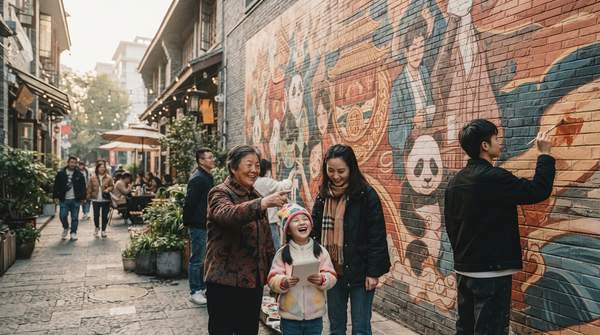
Diverse community members admiring a large, colorful mural that celebrates local history and shared identity.

In Philadelphia, a single arts project didn't just paint walls; it transformed neighborhoods, addressed local issues, and deepened residents' understanding of each other. The initiative, spanning decades, brought vibrant murals to public spaces, directly engaging community members in their creation. This collaborative effort fostered a sense of shared ownership and civic pride across diverse districts.

Local arts initiatives often appear to be purely aesthetic endeavors, but they consistently deliver tangible social and civic benefits. These benefits extend beyond cultural enrichment, touching upon social cohesion and civic participation.

Communities that strategically invest in their arts and culture centers will likely see stronger social bonds and a more robust sense of shared identity, while those that neglect them risk civic fragmentation.

Transforming Neighborhoods Through Creative Expression

The Philadelphia Mural Arts Project proves art can be a powerful tool for civic problem-solving and community development. It tackles local issues and fosters inter-group understanding, a role often left to social work or urban planning. The collaborative process of creating public art, not just the finished piece, drives deep community identity and civic engagement. Through shared artistic endeavors, Philadelphia residents found common ground, crafting pieces that reflected their collective stories. This participation built connections across neighborhoods, creating a unified purpose and instilling pride.

More Than Just Galleries: Defining Local Arts & Culture Centers

Local arts and culture centers are more than museums or performance venues. They are multifaceted hubs for cultural preservation, artistic creation, and community gathering, encompassing studios, heritage sites, festivals, and public art. These accessible spaces allow diverse community members to engage with shared history and contemporary art. They offer workshops, education, and platforms for local artists, fostering a vibrant creative economy. Such centers act as neighborhood anchors, providing vital resources and opportunities and serving as essential infrastructure for community well-being, not just entertainment.

The Mechanics of Identity: How Centers Build Community

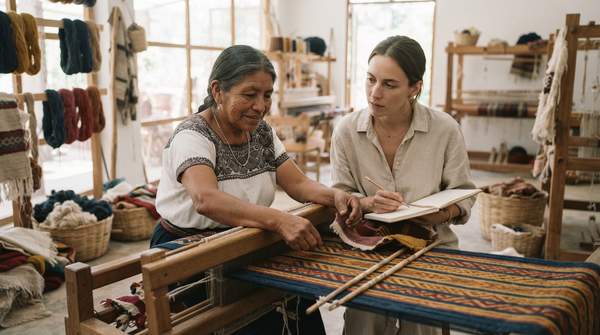
Centers weave local identity by making abstract concepts tangible through shared experiences and creative expression. Participatory programs, like oral history projects or community theater, unite diverse voices to tell shared stories, strengthening bonds. Public art projects actively solve civic problems, allowing communities to address local issues creatively, rather than solely through traditional interventions. These initiatives foster intercultural understanding, bridging social divides more effectively than passive cultural programs. When residents collaborate on a mural or a garden, they build empathy and learn from each other.

Beyond Aesthetics: The Tangible Impact on Civic Life

The Mural Arts Project in Philadelphia, as detailed in values and challenges of participatory art in urban and community ..., involved residents in efforts to beautify their environment, address local issues, and deepen cultural understanding. Such community-engaged art directly tackles social challenges, fosters mutual understanding, and visibly enhances civic spaces. Public art projects reduce blight, deter vandalism, and create safer public areas. Beyond aesthetics, they generate social capital, connecting neighbors and fostering collective responsibility. Investing in community-led artistic endeavors is not just a cultural expenditure; it's a strategic investment in robust civic infrastructure, delivering social returns traditional programs often overlook.

Common Questions About Arts & Culture's Role

How do local arts centers secure funding?

Local arts centers typically rely on a mix of public and private funding. This includes grants from state and national arts councils, local municipal allocations, private donations from individuals and corporations, and earned revenue through ticket sales, workshops, or merchandise. Many centers also engage in fundraising events and seek philanthropic support to sustain their operations and programs.

Are arts and culture initiatives accessible to everyone in a community?

Many local arts and culture initiatives strive for broad accessibility by offering free or low-cost programs, providing transportation assistance, and conducting outreach in diverse neighborhoods. Some centers specifically design programs for underserved populations, including youth, seniors, and individuals with disabilities, ensuring that cultural engagement is not limited by economic or physical barriers.

What are the long-term benefits of arts programs for youth engagement?

Youth involvement in arts programs can lead to significant long-term benefits, including enhanced creative thinking, improved problem-solving skills, and stronger academic performance. Participation in collaborative art projects fosters teamwork and communication abilities, while also providing a positive outlet for self-expression that can boost self-esteem and reduce rates of truancy in some communities.

Investing in Identity: The Future of Local Culture

The sustained vitality of local arts and culture centers directly links to the strength of community identity in a globalized world. Policymakers who dismiss public art as a 'nice-to-have' overlook its proven capacity, exemplified by the Mural Arts Project, to organically foster civic engagement and bridge community divides more effectively than top-down initiatives. These centers are not mere repositories of culture; they are active agents building social cohesion and civic health. Their ability to unite residents around shared creative endeavors makes them indispensable for contemporary community challenges. By 2026, many municipal budgets, like Philadelphia's, will likely allocate increased funding to projects mirroring the Mural Arts Project's model, recognizing their dual cultural and civic returns.