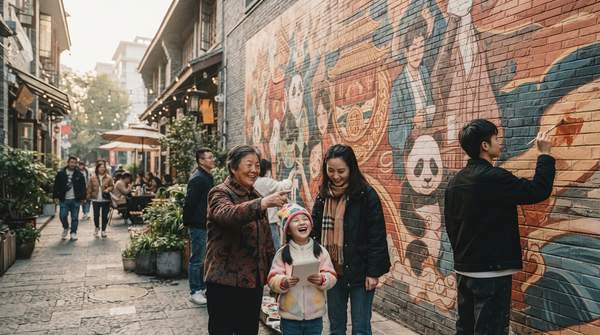
In Springfield, the 'Little Artists, Big Hearts' program saw a 30% surge in parent volunteer hours for community events after its first elementary fine arts showcase, transforming local engagement, according to the Springfield Arts Council. This local success is mirrored by Maplewood's annual 'Creative Kids Festival,' which drew over 500 community members and generated an estimated $10,000 in local business revenue, according to the Maplewood Chamber of Commerce. These initiatives prove elementary fine arts showcases significantly boost community engagement and civic participation, yet arts education budgets nationwide continue to face cuts. This tension creates a gap between top-down policy and bottom-up community needs. As local initiatives grow and community demand rises, these grassroots efforts will likely become even more critical for sustaining arts education and fostering civic life, potentially pushing for broader policy changes. The 'Art for All' initiative in Riverside, for instance, has already expanded to 10 new schools this year due to overwhelming community demand, according to the Riverside School Board.
Beyond the Stage: How Showcases Build Civic Muscle
Fine arts showcases do more than entertain; they build civic muscle. Students in regular arts programs score 15% higher in civic engagement than their peers, according to a National Endowment for the Arts study. Active participation, not just passive attendance, sparks broader civic involvement. Elementary showcases also strengthen social bonds. An 85% majority of elementary school principals believe these events boost student self-esteem and school pride, according to the National Principals Association Survey. This aligns with community feedback from the 'Harmony Heights' showcase, which reported a stronger sense of local identity and intergenerational connection among attendees, according to the Harmony Heights Community Survey. These events cultivate social cohesion beyond immediate families. Furthermore, early exposure to fine arts correlates with higher rates of adult volunteerism and participation in local governance, a longitudinal study found, according to the Civic Engagement Research Institute. Engaging in fine arts cultivates essential civic virtues and strengthens social bonds from a young age, laying groundwork for lifelong community involvement.
Local Solutions Amidst Funding Challenges
Local businesses increasingly fill funding gaps for elementary arts programs. In Willow Creek, businesses sponsored 75% of their elementary school's 'Cultural Canvas' showcase costs, according to the Willow Creek Business Alliance. They cited improved community relations as a key benefit, proving a return on investment beyond simple financial metrics. This community support also translates into advocacy; the 'Young Voices, Bright Futures' showcase in Lakeside sparked a new parent-teacher advocacy group focused on arts funding, according to the Lakeside PTA. Engaged families transform participation into broader political advocacy for public services through such initiatives. Sustained community interest fuels program growth, as seen with Maplewood's 'Creative Kids Festival,' which grew tenfold from 50 attendees in five years, according to the Maplewood Arts Coordinator. These grassroots efforts reveal a powerful trend: communities are self-organizing to preserve and expand arts education, recognizing its intrinsic value beyond academic metrics, and potentially setting a new standard for public service funding.