Slow fashion is not a brand list or a certification badge — it is a design and consumption philosophy built on a handful of durable principles: durability, timelessness, ethical production, and mindful ownership. The term describes clothing made and bought with intent, in deliberate opposition to fast fashion's rapid, trend-led production cycle. Understanding how those principles show up in a garment's materials, seams, and styling is what turns a vague aspiration into a practical purchasing skill. This article explains each principle and closes with a five-part checklist you can run against any piece of clothing before you buy it.
Understanding Slow Fashion: A Counter to Fast Fashion
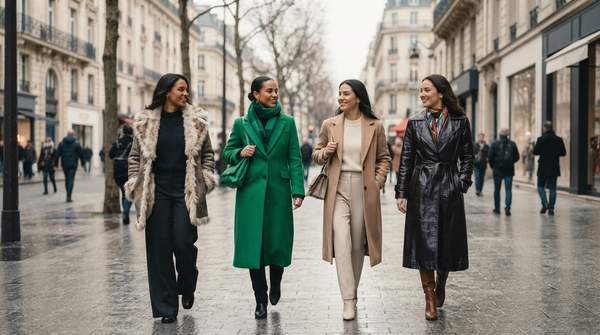
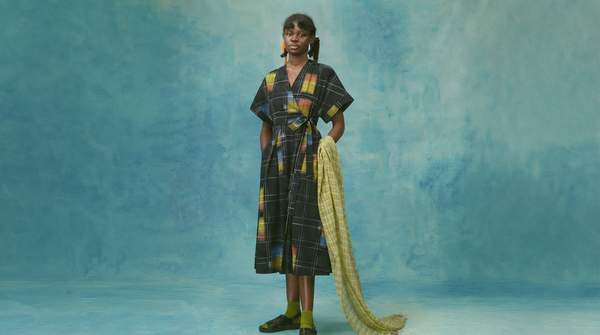
Country Living's Rosie Stagg defines the contrast plainly: fast fashion is "the rapid production of trend-led clothes, often made cheaply and shipped all over the world," while slow fashion emphasises "repairing, re-wearing and recycling our clothes" and shopping "with intent… buy less and buy better." The distinction is one of speed and volume versus intention and longevity. The University of Fashion's Francesca Sterlacci frames it as a mindset shift rather than a wardrobe purge — becoming conscious of what you consume, not refilling your closet with ethical labels. Designers in this movement, as one explainer of the movement puts it, focus on "timeless, versatile pieces that transcend seasonal trends, emphasizing durability, quality, and aesthetic longevity."
Mindful Consumption: The Foundation of a Sustainable Wardrobe
Every slow fashion decision begins before the purchase. The core habit is pausing to ask whether a garment fits your actual life, style, and values — the point Sterlacci calls the most crucial aspect of the movement. The practical payoff is not deprivation but curation: a smaller, more versatile wardrobe, less impulse buying, and, over time, lower clothing expenditure. Evidence on responsible consumption, cited in the slow fashion explainer above, links this deliberateness to more thoughtful purchasing decisions. Mindful consumption also means resisting the pull of micro-trends that date a garment within a season, since a piece discarded early carries its full production footprint with none of its useful life.
Design for Longevity: Quality, Durability, and Timelessness
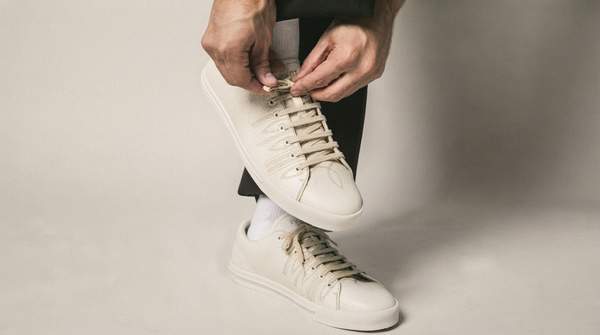
Longevity is engineered, not hoped for. Victorian government guidance for fashion businesses advises designers to "consider how the product will be used, and match durability with garment type" — a coat and a summer blouse have different duty, and material should be selected accordingly. The same guidance notes that washing contributes "a considerable amount of environmental impacts," so fabrics that clean in cold water with less detergent reduce a garment's lifetime footprint. Construction matters equally: robust techniques across weaving, spinning, knitting, and sewing determine whether a garment survives its first hard year. On the aesthetic side, timeless design — colours, silhouettes, and details that outlast a trend cycle — is what keeps a well-made garment in rotation rather than in storage.
Care, Repair, and Circularity: Extending Garment Life
Slow fashion treats maintenance as part of the design brief. Garments intended to be mended and re-worn, rather than discarded, shift the consumer's role from buyer to steward. Kate Fletcher, the design scholar credited with coining "slow fashion," offers a pointed caution here: circularity and recycling systems "are expensive and use energy," and she argues the deeper problem is "the consumption-based system" that treats garments as disposable. The lesson for a wardrobe is that repair and reuse come before recycling — the most sustainable garment is the one you keep wearing. Practical habits include following care instructions, learning basic mending, and choosing pieces whose fabrics and construction make repair feasible rather than futile.
Ethical Production and Transparency: Beyond the Garment
The principles above concern the object; this one concerns the people behind it. Victorian government guidance urges producers to "check the working conditions of manufacturing operations and request third party verification," and notes the rise of consumer labels like "fair trade" and "sweatshop free" as successful communication tools. For shoppers, that translates into looking for third-party certification rather than brand self-declaration. Aquafil's certification guide is candid about their limits: certifications "offer… industry-wide benchmarks" rather than guarantees, but they help consumers "better understand what they are buying." The table below collects the major benchmarks and what each actually verifies.
| Certification | What it covers |
|---|---|
| Global Organic Textile Standard (GOTS) | The full textile supply chain "quite literally from field to fashion"; the organic label requires at least 95% natural organic fibres grown without synthetic pesticides, insecticides, or herbicides, with labour and ecology requirements throughout. |
| Fair Trade / WFTO | The World Fair Trade Organization verifies that member companies follow fair trade's ten principles, focused on improving producers' living and working conditions. |
| B Corp (B Lab) | Holistic company certification — businesses balancing purpose and profit; B Lab reports a community of over 3,500 certified B Corps across 70 countries. |
| Nordic Swan Ecolabel | A voluntary ecolabelling scheme evaluating a product's environmental impact across its whole life cycle. |
| ETI Base Code | An ethical trade standard covering labour conditions in textile and apparel supply chains. |
Your Slow Fashion Decision Framework: A Consumer Checklist
Run any prospective purchase through these five dimensions. Each question targets an observable attribute — fabric, seam, silhouette, care label, or public commitment — so you can assess the garment in the shop, not just at home.
| Dimension | Questions to ask before buying | What a strong answer looks like |
|---|---|---|
| Material & Sourcing | Is the fabric durable enough for how I'll use this garment? Can it wash cold with less detergent? Is fibre origin stated or certified? | Durability matched to garment type; easy-care fabric; GOTS or similar label. |
| Construction & Durability | Do seams, stitching, and finishing look robust? Will this survive regular wear? | Quality manufacturing techniques across sewing and finishing. |
| Style & Versatility | Will this outlast the current trend? Does it fit multiple seasons and occasions in my wardrobe? | Timeless, versatile design that transcends seasonal trends. |
| Care & Repairability | Can I maintain and mend this? Are care instructions realistic for my routine? | A garment designed to be re-worn and repaired, not discarded. |
| Brand Ethics & Transparency | Does the brand disclose its supply chain? Is there third-party verification of labour conditions and materials? | Certifications (Fair Trade/WFTO, GOTS, B Corp, ETI) or audited, disclosed production. |
A garment that satisfies most rows — a durable, certified-fibre, well-made, versatile piece you will actually wear — is a slow fashion purchase, regardless of label. One that fails the material and ethics rows but carries a trendy silhouette is fast fashion with better marketing. The checklist works precisely because each criterion is observable: you are reading seams and labels, not trusting slogans.
Making Mindful Choices for a Sustainable Wardrobe
The decision to make is simple to state and demanding to practise: adopt a slow fashion approach by prioritizing quality, longevity, and ethical production in clothing purchases. The measurable indicator is an increase in the proportion of durable, versatile, and ethically certified garments in one's wardrobe, accompanied by a decrease in impulsive, trend-driven purchases. You can track that directly — count the pieces you buy this year that pass all five checklist dimensions, and count the impulse buys you decline. Sterlacci's founding principle bears repeating as the closing test: it is about mindfulness, not perfection, and it starts with the next garment you consider buying, not the closet you already own.
Sources
- The 7 principles of slow fashion and the brands to know about — Country Living UK
- SLOW FASHION & THE CONSCIOUS EDIT - 4 Basic Principles of Slow Fashion - University of Fashion Blog
- What is Slow Fashion? Understanding Its Meaning and Impact — DressMeUpNY
- Defining Sustainable Fashion: Principles and Practices — FaiR Project
- Business
- MEDIUM
- 8 Certifications and Standards to Know When Shopping Sustainable Fashion — ECONYL® by Aquafil
- Sustainable Fashion Certifications — The Considerate Consumer
- Sustainability Certification Organizations in the Fashion Industry — FashionUnited
- LibGuides: Sustainable Fashion and Apparel Design: Standards | Certificates | Seals | Initiatives