At Coachella 2026, while attendees embraced sheer lace skirts and cowboy hats, corporate compounds like the Guess Wellness House weren't just observing; they were actively shaping the very trends being celebrated. These brand activations, far from mere spectator events, curated experiences that subtly guided consumer choices, transforming individual style into a collective, commercially-driven aesthetic. A growing corporate grip on festival fashion and its cultural resonance was underscored by their pervasive presence.
Festival fashion often appears as a bastion of unique self-expression, a vibrant display of individuality. Yet, beneath the surface of seemingly spontaneous creativity, it's increasingly influenced by powerful commercial interests and hyper-accelerated trend cycles. This tension between apparent authenticity and underlying commercial orchestration defines the modern festival style landscape.
The rapid adoption and commercialization of festival trends suggest that what starts as individual style will quickly become mainstream, pushing consumers towards faster consumption cycles and potentially less sustainable choices. This dynamic reveals a complex interplay where personal style becomes a pre-packaged commodity, designed for rapid consumption and swift obsolescence.
At Coachella 2026, while music enthusiasts celebrated Justin Bieber and Karol G, corporate entities were already setting the stage for fashion trends. The Guess Compound, for instance, hosted both a Wellness House and a party house, becoming a magnet for attendees and influencers, Nylon reported. Brands aren't just sponsoring events; they're actively dictating the ephemeral aesthetics attendees will soon adopt, as evidenced by the pervasive presence of corporate compounds, often tied to celebrity engagement.
This isn't subtle suggestion; it's a powerful orchestration. What looks like spontaneous self-expression becomes a commercially manufactured aesthetic. The very acts of style and celebration are now intertwined with brand strategies, making festivals ground zero for accelerated trend adoption.
The Dominant Aesthetics: Sheer, Micro, and Crochet
Miniskirts and micro shorts — in stretch fabrics, denim, and leather — dominated festival fields, often paired with minimal baby T-shirts or barely-there tops, WWD reported. This embrace of revealing silhouettes extended to sheer fabrics, with mesh materials particularly prevalent, allowing glimpses of layers underneath. These choices weren't just bold; they were a calculated statement, balancing comfort with undeniable visual impact.
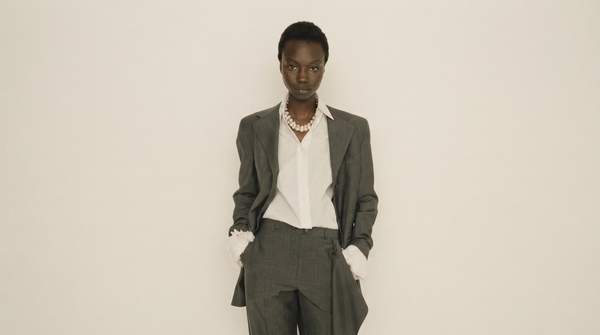
Beyond micro and sheer, crochet emerged as a key theme, frequently adorned with metallic threading, beadwork, and sparkly embellishments. Crochet dresses layered over bikinis or styled as standalone statement pieces were common sightings, adding a handcrafted yet luxurious feel. The consistent reporting of these dominating trends across multiple fashion publications doesn't suggest organic emergence; it points to a coordinated propagation of looks.
From Niche to Mainstream: The Speed of Trend Adoption
- THREE WEEKS — Entire festival costumes can materialize in as little as three weeks from concept to performance, according to BBC. This breakneck design-to-wear cycle shatters any illusion of carefully curated, unique self-expression.
- SUMMER TREND — Punchy graphic tees, a festival staple, quickly became a broader summer trend, directly inspired by Coachella, notes InStyle. This isn't just translation; it's how festival fashion rapidly colonizes mainstream seasonal styles.
The ability to churn out full festival costumes in such a compressed timeframe, coupled with the swift spillover of items like graphic tees into general summer fashion, screams hyper-acceleration. This rapid adoption and commercialization process transforms 'authentic self-expression' into a rapidly consumable, commercially manufactured aesthetic.
The Resurgence of Western and DIY Influences
The 2026 festival scene saw a notable resurgence of Western aesthetics. Cowboy hats, oversized belts worn low on the hips, and bandanas reinforced the theme, WWD reported. This embrace of a distinct cultural motif offered attendees a cohesive — if commercially packaged — style narrative.
Conversely, easily replicable trends like DIY hair rings, which can be wrapped around any size braid, Cosmopolitan noted, revealed a different facet of festival fashion. While some trends are commercially pushed, this accessible DIY element keeps pace with the corporate trend machine, blurring the origin of 'authenticity'. The festival environment, then, is a complex interplay: curated themes meet personal, adaptable style, all under the shadow of present commercial strategies.
Embodied Trends: Iconic Looks and Their Impact
Among Coachella's most iconic looks were cowgirl boots and face gems, quickly defining the festival's aesthetic, InStyle noted. These items, blending thematic dressing with a touch of sparkle, proved how specific accessories can instantly become shorthand for an entire cultural moment.
Another leading 2026 festival trend, the sheer lace skirt, gained prominence for its breathability and ease of styling, according to E! News. The widespread adoption of these easily replicable trends points to a deliberate brand strategy: promote accessible, high-volume items that can be quickly adopted and discarded. The goal? Fuel rapid consumption cycles and turn genuine self-expression into a fleeting, pre-packaged commodity.
The Accelerated Cycle of Festival Fashion
Forget individual style. The pervasive presence of corporate compounds and the rapid emergence of widely reported trends confirm that 'festival fashion' is a commercially curated, ephemeral aesthetic designed for rapid consumption.
- Sheer lace skirts are expected to continue trending throughout the summer festival season, according to E! News. This sustained popularity proves a powerful pipeline exists, where festival trends quickly transition into broader seasonal fashion.
The continued trajectory of specific festival items, like the sheer lace skirt, into broader seasonal fashion marks a significant shift in consumer purchasing decisions. This commercial curation ensures trends are not only quickly adopted but also enjoy a sustained — if brief — lifecycle beyond the festival grounds, further fueling demand for new, fast-fashion iterations. The cycle accelerates, pushing consumers towards constant updates rather than enduring style.
The Enduring Influence of Festival Aesthetics
- The ability to create entire festival costumes in as little as three weeks shows how brands exploit the desire for 'unique' looks by offering hyper-accelerated trend cycles.
- The consistent reporting of specific, dominating trends across multiple fashion publications confirms a coordinated effort to establish and propagate specific looks.
- Intricate, artisanal-looking styles such as crochet, adorned with metallic threading and beadwork, continue to integrate into broader fashion narratives, often commercially interpreted for mass consumption, as noted by WWD.
If corporate influence continues its current trajectory, festival fashion by the end of 2026 will likely have fully cemented its role as a fast-moving, commercially driven engine for mainstream trends, leaving genuine self-expression a nostalgic footnote.