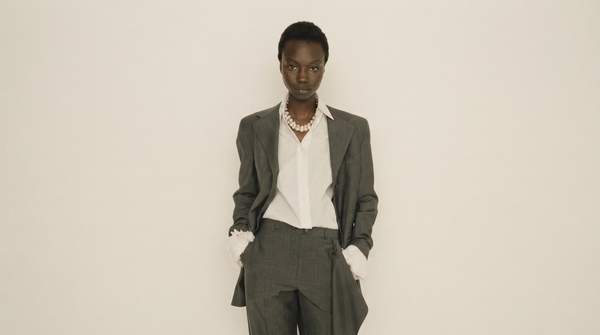
The 'stealthiness' of quiet luxury fashion offers the ultra-rich an invisibility cloak, allowing them to bypass public scrutiny on everything from tax to wartime ethics, as The Guardian reports. This isn't just about looking chic; it's about navigating public perception while maintaining exclusive status and dodging critique.
Quiet luxury purports understated elegance, yet it functions as a calculated tool for the wealthy to preserve their privileged position and avoid accountability. The irony is palpable: true power, it seems, now prefers to whisper.
The rising tide of quiet luxury isn't just a fashion trend; it signals a deepening societal acceptance of wealth disparity. This acceptance could actively hinder collective efforts towards greater economic justice, turning high-end fashion into a deliberate social camouflage for the powerful.
The Allure of Exclusive Access
Luxury brands, often devoid of overt logos, don't just sell clothes; they market an illusion of belonging to an elite circle. The fashion press, as The Guardian notes, has promised that buying these pieces grants entry to a world that actively rejects the average consumer. This inaccessibility isn't a bug; it's the feature, solidifying a psychological barrier between the elite and the masses and reinforcing their exclusive status.
A Subtle Diversion from Economic Scrutiny
Focusing consumer aspirations on an exclusive aesthetic isn't just a harmless pursuit; it actively shifts public attention. The Guardian points out that buying into 'stealth wealth' distracts individuals from fighting for economic equality and challenging power structures. This trend prioritizes individualistic desires over systemic change. By redirecting consumer energy towards unattainable status symbols, the very mechanism that shields the wealthy from scrutiny simultaneously disarms public outrage, a win-win for the luxury fashion industry and the ultra-rich.
The Enduring Power of Understated Privilege
The aspirational marketing of quiet luxury, with its promise of entry into an exclusive world, diverts societal energy. Instead of demanding economic justice, the public is nudged towards an individualistic, ultimately distracting, pursuit of unobtainable status, as The Guardian observes. This isn't just a fashion statement; it's a societal barometer. The ongoing embrace of quiet luxury suggests a collective comfort with—or even an aspiration towards—a system where immense wealth operates with minimal visibility and accountability. The real power, it seems, lies not in what's flaunted, but in what's quietly concealed.
By Q3 2026, many luxury brands in the quiet luxury space will likely report continued growth in high-end sales, solidifying this trend's market impact, even as discussions around wealth disparity intensify.