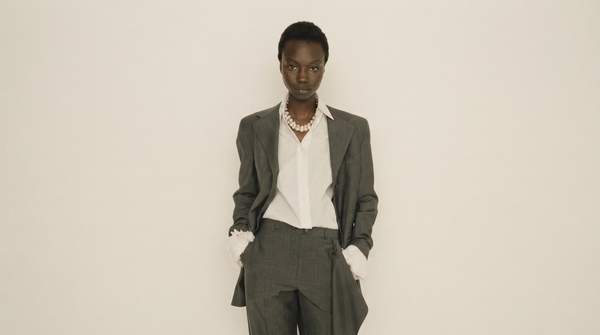
For the 2026 season, festival fashion trends are increasingly shaped by practicality, comfort, and cost, directly influencing how attendees select their style choices.
This shift reflects a broader alignment of economic pressures and evolving aesthetic preferences. With the cost of event tickets reportedly continuing to rise, attendees are re-evaluating their spending priorities, favoring versatile, comfortable apparel over single-use, elaborate costumes. The movement also coincides with a wider fashion trend in 2026 that champions effortless styling, where wearability and personal comfort are paramount, marking a departure from the highly curated, purely aesthetic-driven looks of past festival seasons.
What We Know So Far
- Practicality and comfort have emerged as primary drivers for 2026 festival fashion, with an emphasis on all-day wearability and movement.
- A significant boho revival is underway, characterized by relaxed, expressive, and romantic volume silhouettes that prioritize ease over fitted precision.
- According to a Shein survey cited by wwd.com, nearly 62 percent of festivalgoers consider price one of their top three factors when shopping for their looks.
- The broader fashion landscape in 2026 focuses on effortless styling, with oversized silhouettes and sneakers becoming staples, according to an analysis by telanganatoday.com.
- Fabric practicality is now considered as important as aesthetic direction in Spring/Summer 2026 collections, as noted by trend forecaster insighttrendsworld.com, with designers selecting materials for their wearability in warm weather.
How Cost Impacts Festival Clothing Choices
Economic considerations decisively shape the 2026 festival fashion landscape. The continuous rise in festival pass and concert ticket prices has prompted many attendees to allocate more budget to the experience itself, rather than elaborate, single-use outfits. This financial reality directly influences purchasing decisions, fostering a clear trend towards budget-conscious apparel choices.
Specific data highlights this shift. According to wwd.com, consumers are now targeting price points of $25 or under for individual apparel items like tops and shorts, and under $10 for accessories. This budget-focused approach is further supported by findings from Shein’s 2026 Festival Trend Survey, which revealed that nearly 62 percent of festivalgoers rank price as one of their top three considerations when shopping. The result is a move away from what one industry observer described to wwd.com as "costume-y" pieces that are not easily integrated into an everyday wardrobe.
This practical approach to spending is fostering a new kind of festival style. "The novelty is a shift toward more wearable items but accessorized with bold and playful touches," one source told wwd.com. Instead of purchasing an entirely new wardrobe, attendees are focusing on versatile basics that can be styled in unique ways, ensuring that their clothing investments extend beyond a single weekend event. This represents a significant change from previous years, where the pressure to present a unique, highly stylized look for social media often drove consumption of fast-fashion items with limited longevity.
Future of Festival Fashion: Practicality Over Aesthetics
The pivot towards practicality is not merely a response to budget constraints; it aligns with a major aesthetic movement in 2026 fashion that prioritizes comfort and ease. The dominant trends for the festival season blend function with style, ensuring attendees can remain comfortable throughout long days of music and movement. "We’re seeing a shift toward comfort‑driven styling, where ease and wearability are just as important as how it looks," a representative for PINK told wwd.com. This philosophy is evident in the key silhouettes and items gaining traction.
Oversized and voluminous silhouettes are taking center stage. According to telanganatoday.com, items like loose shirts, baggy jeans, and relaxed blazers are popular, emphasizing comfort and freedom of movement. This trend is echoed by insighttrendsworld.com, which notes that volume is replacing body-conscious dressing across categories. This "boho revival" is defined by romantic, expressive silhouettes made from lightweight, breathable fabrics like gauze, chiffon, and sheer knits, making them practical for warm weather. The focus is on how clothing feels, not just how it looks in a static photo.
Footwear and accessories are also reflecting this functional-first mindset. Sneakers have become a wardrobe essential, paired with everything from dresses to shorts, blending style with the necessity of walking across large festival grounds. According to wwd.com, even Wellies (rain boots) are regaining visibility among trendsetters, a clear nod to preparing for unpredictable weather. Accessories are also evolving; telanganatoday.com reports that bags are no longer just for carrying essentials but have become a key part of styling, allowing attendees to pull a look together with a practical item. These trends, including a turn towards bold colors noted by desiblitz.com, demonstrate that practicality does not mean a sacrifice of personal expression, but rather a smarter, more sustainable approach to it.
What Happens Next
Brands and retailers are adjusting marketing strategies for the 2026 festival season, highlighting versatility, comfort, and value in their collections. This caters to consumers prioritizing re-wearability and practicality, making these trends highly visible at major global events.
A pronounced shift towards budget-conscious, practical fashion raises key questions about its lasting impact on the fast-fashion industry, which historically capitalized on single-use festival outfits. Furthermore, high-end and luxury brands must adapt their festival-related offerings to appeal to an audience now prioritizing comfort and function over purely aspirational aesthetics. The evolution of festival style in the coming months will provide a clear indicator of these long-term changes in consumer behavior.