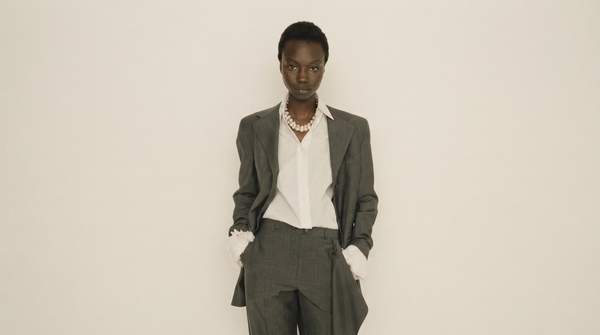
For Bottega Veneta's Fall 2026 show, British furniture designer Max Lamb crafted 421 chairs from expanded polystyrene. These custom pieces weren't just seating; they signaled a new era where the runway's physical environment rivals the garments themselves. Louise Trotter's collection unfolded amidst this curated setting, turning even an audience's perch into a statement, ELLE reports. This isn't an isolated incident; luxury brands are now extending their lifestyle vision directly onto the runway.
Traditionally, fashion shows spotlight clothes. Yet, furniture and home objects increasingly take center stage, challenging the very definition of a 'collection.' It's no longer just about apparel; it's about a lifestyle. Ralph Lauren and Alaïa, for instance, also commissioned custom seating for their shows, cementing this shift. The runway itself is becoming a retail experience, with Fall 2026 revealing a calculated pivot. Brands now treat furniture and home design as primary collection elements, not just props. This expansion beyond garments into a holistic brand lifestyle will likely spark more cross-industry collaborations and integrated retail.
Fashion's Furniture Fixation: A Widespread Trend
Ralph Lauren's Fall 2026 show didn't just feature clothes; it integrated vintage chairs and furniture from the brand's home line, plus antique carpets. ELLE noted this wasn't mere set dressing, but a full-blown brand display, pushing tangible home products into the fashion spotlight.
Prada, Hermès, Fendi, and Giorgio Armani also debuted furniture installations or home objects during Milan Design Week, ELLE reports. Their dual presence at both fashion and design events isn't accidental; it's a coordinated strategy to seize a wider luxury market. Meanwhile, Fall 2026 saw Institution wrap models in patterned carpets, and Hodakova sent out dresses crafted from chairs and rugs. These radical moves aren't just fashion; they're a conceptual redefinition of what a collection can be, blurring lines between clothing and sculpture.
Redefining Ready-to-Wear: Fashion as Lifestyle
Luxury fashion houses aren't just selling clothes anymore. They're curating and commodifying entire aspirational lifestyles, transforming the runway into a showroom for a complete brand universe. This pushes wearable art into the realm of home decor, fundamentally altering consumer expectations for what a collection can include. Brands like Prada, Hermès, and Fendi, by embracing Milan Design Week and custom runway furniture, position themselves as holistic luxury providers. The show itself becomes a curated, collectible event, where even an audience's seat is part of the aesthetic and a potential product offering, ELLE notes.