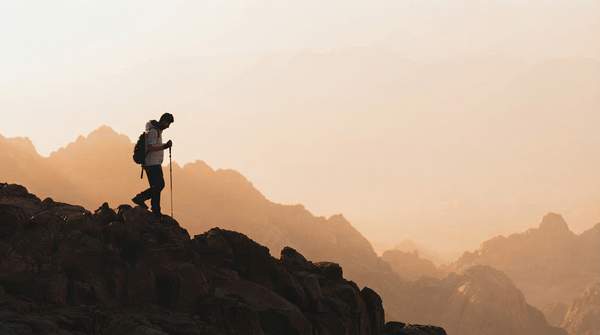
Mindfulness training optimized participants' travel expectations, transforming a potentially stressful trip into a source of genuine well-being and deeper connection, according to ScienceDirect. This intentional mental preparation reframes potential challenges, allowing for a richer, more present engagement with new environments and cultures.
Modern travel often emphasizes efficiency and external experiences, but true fulfillment and connection arise from internal presence and intentional engagement. A gap between the hurried pace of contemporary tourism and the deeper, more meaningful experiences many travelers seek in 2026.
Based on the growing evidence of its psychological and communal benefits, mindful travel is poised to become an essential approach for both personal enrichment and responsible global citizenship.
Intentional mental preparation, a core tenet of mindful travel, significantly enhances the quality of a travel experience from the outset. This approach moves beyond mere escapism, equipping travelers to transform potential stressors into genuine sources of well-being. It cultivates deeper connections with destinations and cultures, building a foundation for profound personal resilience against modern tourism's superficiality.
What Does Mindful Travel Actually Mean?
Mindful travel involves intentionally eliminating digital distractions and reducing reliance on technology to foster internal presence, according to Ie. This practice helps to reduce stress and boost overall happiness during a journey.
The approach shifts a traveler’s focus from passive consumption to active, present engagement. Instead of rushing through sights, individuals are encouraged to savor moments, notice sensory details, and engage deeply with their surroundings. This deliberate engagement alters the travel experience, moving beyond simply seeing a place to truly experiencing it.
It means choosing to walk slowly through a bustling market, absorbing the scents and sounds, rather than quickly snapping photos for social media. This conscious choice fosters genuine cultural immersion, allowing for more authentic interactions.
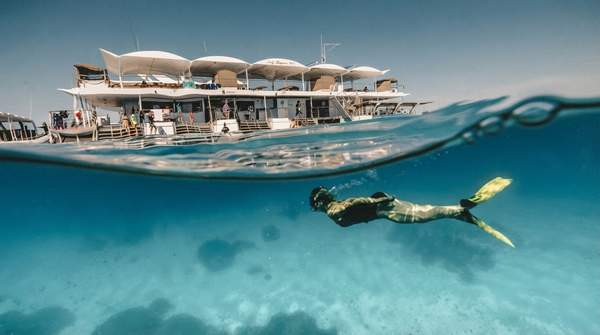
The Profound Personal Benefits of Traveling Mindfully
Mindful travel extends its benefits beyond immediate enjoyment, fostering profound psychological resilience. High levels of dispositional mindfulness and self-compassion can help mitigate COVID-19-related fears and perceived consequences, according to Link Springer. This finding suggests that practicing mindfulness offers a robust internal buffer against global stressors.
The established psychological resilience fostered by mindfulness directly equips travelers to navigate challenges, manage anxieties, and enhance their overall well-being during journeys. This makes mindful travel not just a means for a better vacation, but a public health strategy for building psychological resilience against broader global stressors.
By cultivating an internal presence, travelers develop a stronger capacity to adapt to new situations and unexpected events. This enhanced mental fortitude transforms potential difficulties into opportunities for growth and deeper self-understanding.
Beyond the Self: How Mindful Travel Benefits Communities
Mindful travel extends its positive impact beyond the individual, creating tangible benefits for host communities and service providers. This approach fosters more sustainable, respectful, and reciprocal relationships between travelers and their destinations. Tandfonline states that mindful travel can specifically benefit service providers and the community.
When travelers engage mindfully, they are often more likely to support local businesses, respect cultural norms, and minimize their environmental footprint. This conscious engagement translates into direct economic support and cultural preservation for the destination.
The dual benefit—reducing stress and boosting happiness for travelers while also benefiting service providers and the community—shows that mindful tourism is not merely a niche market. It appears to be a blueprint for a more sustainable and mutually beneficial travel industry, promoting collective well-being alongside personal enrichment.
Why Mindful Travel Matters More Than Ever
In an era defined by increasing digital distraction and a pervasive search for authenticity, mindful travel offers a vital pathway to genuine connection. Modern life often pulls attention in countless directions, making concentrated, present experiences rare. This approach directly challenges the superficiality inherent in efficiency-driven tourism.
It encourages individuals to disconnect from constant digital input and reconnect with their immediate surroundings. This cultivates a deeper appreciation for diverse cultures and environments. Mindful travel fosters personal resilience and promotes responsible global citizenship, benefiting both travelers and the places they visit.
Your Mindful Travel Questions, Answered
What is the difference between mindful travel and sustainable travel?
Mindful travel primarily focuses on the traveler's internal experience, emphasizing presence, reduced distractions, and deeper personal engagement. Sustainable travel, conversely, centers on minimizing environmental impact, supporting local economies, and preserving cultural heritage for future generations. While distinct, the two concepts often overlap, as mindful travelers are frequently more aware of their external impact.
How to practice mindfulness while traveling?
Begin by setting intentions before your trip, such as dedicating specific times each day to unplug from devices. Engage your senses fully in new environments; try a "sensory walk" where you focus solely on sights, sounds, smells, tastes, and textures. Journaling your experiences without judgment can also deepen your presence and reflection.
The Journey Inward Leads to Deeper Journeys Outward
By cultivating presence and intention, travelers unlock experiences that are not only personally enriching but also contribute positively to the destinations they visit. Mindful travel is emerging as the only reliable pathway to genuine cultural immersion and profound personal resilience, directly challenging the superficiality of modern tourism.
This approach moves beyond mere vacationing, transforming each trip into an opportunity for growth and connection. It provides a framework for navigating an increasingly complex world with greater awareness and empathy.
As consumer demand for authentic experiences grows, travel companies like Adventure Travel Co. are expected to integrate more mindful modules into their itineraries by late 2026, offering guided meditations and digital detox options to meet this evolving need.