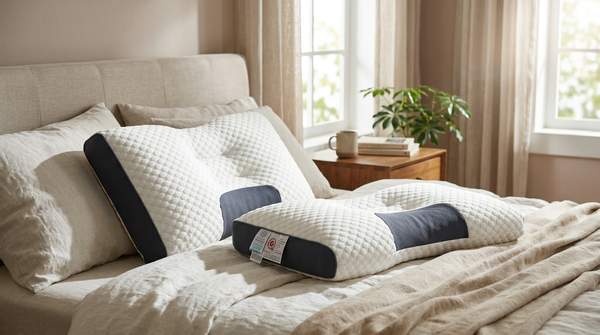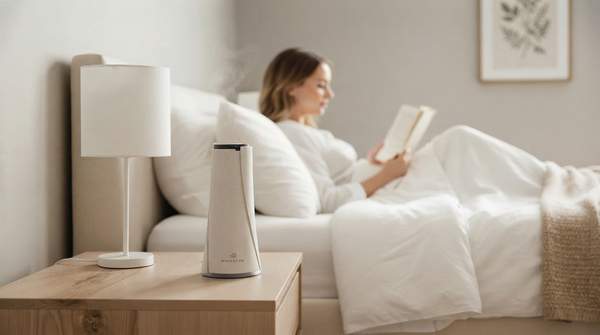
Smart home devices can genuinely support a calmer, more intentional living space—but only if you separate marketing language from real functionality and pick a platform that matches your priorities. The most useful way to shop this category is not to chase a product list. It is to work through a short sequence of decisions: define your wellness goal, test the validity of the device's claims, choose an ecosystem, and only then pick device categories. This guide walks through each step, using the regulatory lens psychologists apply to digital wellness tools and independent testing of the three major US smart home platforms.
Introduction: Cultivating Calm with Smart Home Technology
Home wellness has shifted from a luxury framing to a practical priority. As Distritech's Natalie Canas describes it, consumers now want living spaces that support restful sleep, a cleaner environment, and both mental and physical well-being, with smart technology making that transformation "easier than ever from the first moments of the morning to your nighttime wind down."
The category is broad. Smart hubs such as the Google Nest Hub or Amazon Echo Show 10 act as the connective tissue, letting users dim lights at sunset, activate a diffuser before bed, adjust mattress and room temperature for sleep, or schedule a robot vacuum to clean while they are away. Even ergonomic smart furniture—adjustable-height desks with movement reminders and app-controlled settings—has been folded into the wellness pitch, marketed to improve posture and reduce fatigue.
That breadth is exactly why a framework matters. When everything from a desk to a diffuser is sold as "wellness," the label alone tells you nothing. What distinguishes a useful purchase from an impulse one is whether the device's specific function matches a specific goal you have named, and whether it plays well with the rest of your system.
Evaluating Wellness Claims: Distinguishing Hype from Help
The sharpest tool for evaluating wellness claims comes from an unexpected place: guidance on digital mental health. Writing for APA Services in May 2025, Victoria Bangieva, PhD, notes that in the fast-growing world of health technology, "the line between wellness support and clinical treatment is becoming increasingly difficult to discern"—a distinction she argues is essential for anyone recommending or adopting these tools.
The regulatory boundary turns on intended use. Products intended to diagnose, treat, cure, mitigate, or prevent disease fall under FDA oversight as medical devices. By contrast, as Bangieva explains, apps that promote general wellness, such as mindfulness or relaxation tools, are typically not FDA-regulated "as long as they make no specific claims about treating a diagnosable mental health condition." The FDA, she writes, "evaluates a product based on what it claims to do and how it positions itself in the marketplace."
For a smart home shopper, the same logic applies to hardware. A light that dims on a sunset schedule is making a general wellness claim; a device that promises to treat insomnia or anxiety is making a medical one. The practical test: read the claim, ask what the device actually does mechanically, and treat vague mood and calm promises as unverified positioning rather than demonstrated outcomes. This article covers consumer-grade wellness devices, not medical devices, and nothing here is medical advice.