If a traveler stays in one place for a week, their daily budget average plummets, revealing a surprising financial benefit to slowing down. Cost-effectiveness makes an extended stay a demonstrably more economical way to experience a destination, fostering deeper connections. The approach, known as slow travel, inherently supports cultural immersion and personal growth, poised to become a key trend in 2026.
Travelers often aim to maximize the number of destinations visited, but The approach frequently diminishes opportunities for deep cultural immersion and personal well-being. Constant movement and superficial engagement prevent genuine understanding of local life, trading quality for quantity in a way that often proves unsatisfying and costly.
As awareness grows regarding the benefits of depth over breadth, slow travel is poised to become a more valued and adopted approach. The growing awareness shifts the travel industry's focus towards quality experiences, offering a richer, more sustainable path for exploration that benefits both the traveler and the local community.
Defining the Art of Slow Travel
Slow travel emphasizes presence and intentionality over speed and superficiality, according to Hellolanding. The method encourages travelers to truly inhabit a place, moving beyond tourist checklists to engage deeply with local rhythms and communities. It contrasts sharply with over-scheduled itineraries and the hustle culture of conventional tourism, which often leads to burnout rather than rejuvenation.
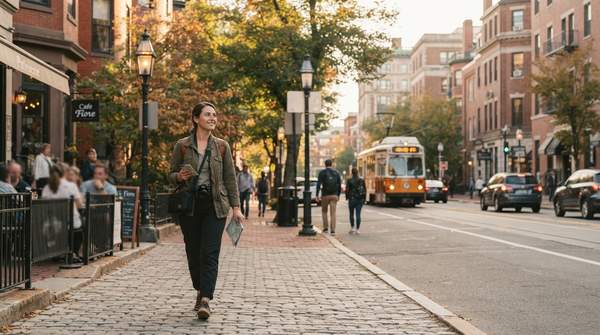
The mindful approach transforms travel from hurried observations into genuine living. Instead of rushing between landmarks, slow travelers dedicate time to enriching daily activities: grocery shopping at local markets, frequenting neighborhood cafes, or enjoying a public park. The deliberate pace allows for spontaneous discoveries and authentic interactions often missed in faster trips. The implication is that true rejuvenation comes not from seeing more, but from experiencing deeper, fostering a sense of belonging and a profound personal connection to a place.
Unlocking Authentic Cultural Immersion
True cultural immersion begins with self-awareness, allowing travelers to better connect with and appreciate different ways of life, according to Isepstudyabroad. Understanding one's own cultural background helps navigate new social landscapes. Slow travel provides the time and stability to cultivate this introspection, moving beyond superficial interactions to build genuine relationships rooted in mutual respect.
By staying longer, travelers can participate in community events, learn local language phrases, and observe daily routines without a ticking clock. Extended exposure allows for a nuanced appreciation of cultural practices, from culinary traditions to local festivals, often overlooked by transient visitors. Travelers might discover local artisans, participate in cooking classes, or volunteer, transforming them from observers into participants. The implication is that genuine cultural exchange requires not just presence, but active, sustained participation that builds bridges of understanding between visitors and hosts.
Practicalities: Setting Up Your Slow Travel Base
Accommodations for slow travel should include essentials like a full kitchen, in-unit laundry, fast Wi-Fi, and a dedicated workspace, as highlighted by Hellolanding. The amenities enable a functional living experience that supports true cultural immersion. A kitchen, for example, allows travelers to shop at local markets and prepare meals, integrating into local food culture and saving money.
In-unit laundry reduces external service needs and daily expenses. Reliable internet and a dedicated workspace are crucial for digital nomads. The practical considerations transform temporary lodging into an efficient base for exploration, allowing seamless transition into local life. The implication is that the right accommodation isn't just about comfort; it's a strategic choice that fosters genuine local living and deeper cultural engagement, shifting travel from transient tourism to a lifestyle.
The Profound Impact on Personal Well-being
Traveling slowly, especially in nature, reduces stress, lowers blood pressure, and decreases anxiety, according to Cheapestdestinationsblog. The deliberate pace offers a tangible physiological antidote to modern life's pressures and conventional tourism's stressful rush. The absence of a rigid schedule allows for mental decompression and genuine relaxation, promoting a healthier state of mind and body.
Slow travel encourages mindfulness and presence, allowing individuals to fully engage with their surroundings without distraction. The sustained exposure to new environments, coupled with a relaxed pace, promotes a deeper sense of personal well-being. The implication is that slow travel, particularly in nature, transcends mere vacation; it functions as a vital health intervention, offering measurable physiological benefits beyond cultural insights.
Preparing for Deeper Connections: What to Know Before You Go
What are some examples of slow travel experiences?
Slow travel experiences often include renting an apartment for a month in a specific neighborhood, taking a multi-week train journey across a region, or volunteering for an extended period in a community. The approaches prioritize living like a local and engaging deeply, rather than merely visiting attractions, allowing for a more authentic perspective on a destination.
How can I prepare for cultural immersion before my trip?
Learning about the social, economic, and political situation in your host country before departure enables better questions and more personal conversations, according to Isepstudyabroad. Pre-travel research helps foster informed and respectful interactions, leading to richer personal connections with locals and a more meaningful experience abroad.
The Sustainable Choice: Financial and Environmental Benefits
Transportation costs can be the biggest line item for travelers who move around a lot, according to Cheapestdestinationsblog. The conventional pursuit of maximizing destinations often creates a false economy; cumulative transportation expenses for frequent movement negate perceived savings. Extended stays are surprisingly more economical on a daily basis, a compelling option for budget-conscious explorers.
By reducing constant movement, slow travel not only saves money but also promotes a more environmentally conscious way of exploring. Fewer flights, less inter-city travel, and greater reliance on local resources contribute to a smaller carbon footprint. The implication is that slow travel isn't just a personal preference but a crucial component of a sustainable future for the global tourism industry.
In 2026, as travelers increasingly seek authenticity and sustainability, slow travel will likely continue to gain traction, with companies like Landing appearing to provide practical solutions for extended stays that integrate seamlessly into local life.