What Are Culture Club Initiatives for Community Arts Engagement?

A study in Manchester found that participants in local arts clubs reported a 30% increase in feelings of belonging (Manchester Community Arts Report, 2022).

EM
Elise Marrow

June 4, 2026 · 4 min read

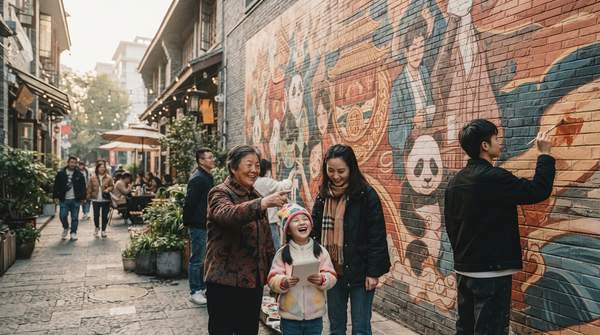
Diverse community members engaging in various art activities like painting, sculpting, and playing music in a sunlit, vibrant community center.

A study in Manchester found that participants in local arts clubs reported a 30% increase in feelings of belonging (Manchester Community Arts Report, 2022) Structured cultural engagement, as evidenced by a 30% increase in feelings of belonging, strengthens social ties, fostering genuine connection.

Many perceive culture clubs as mere hobbies. Yet, these groups are powerful, often underfunded, engines for profound community cohesion and social impact, directly addressing widespread urban loneliness.

With growing evidence of their tangible social and civic benefits, culture club initiatives are likely to be increasingly recognized as vital components of healthy, resilient communities, warranting greater strategic investment.

Beyond Hobbies: Defining Culture Club Initiatives

Culture clubs are more than casual gatherings; they are structured environments cultivating shared interests and community bonds. From book clubs to crafting circles, these groups foster deliberate engagement, offering tangible benefits beyond simple interaction.

Heritage crafts clubs, for example, saw a 25% rise in intergenerational participation (National Heritage Trust Survey, 2023), effectively bridging age gaps and preserving traditions. Simultaneously, over 60% of members report learning new skills, from pottery to creative writing (Skills Development Survey, 2022) The dual impact of connecting generations (a 25% rise in intergenerational participation) and fostering new skills (over 60% of members learning new skills) reveals their profound role in both cultural preservation and personal development.

Their sustained presence, with some clubs thriving for decades, solidifies their role as vital community assets for skill development, cultural preservation, and intergenerational exchange.

The Mechanics of Impact: How Culture Clubs Build Cohesion

Culture clubs foster cohesion through actionable mechanisms, creating spaces for meaningful interaction. In rural areas, they often serve as the primary social hub, reducing isolation for over 40% of members (Rural Engagement Study, 2021) The informal, self-organizing structure, which reduces isolation for over 40% of members, often dismissed as lacking rigor, proves remarkably effective in fostering deep social bonds and addressing widespread loneliness.

A Glasgow initiative linked local music clubs with youth mentorship, resulting in a 15% drop in youth anti-social behavior (Glasgow Youth Impact Assessment, 2023) Similarly, Liverpool's community theater clubs addressed local social issues, driving public dialogue and policy advocacy (Liverpool Social Impact Project, 2021) These programs leverage shared interests to guide young people toward positive social engagement and civic action, providing safe spaces for diverse groups to interact and reduce social friction (Diversity & Inclusion in Arts Report, 2022). The implication is clear: cultural engagement can be a powerful, non-coercive tool for community development and conflict resolution.

The Broader Ripple: Economic, Health, and Civic Benefits

Culture clubs generate substantial economic, health, and civic advantages. Across the UK, they contribute an estimated $500 million annually to the economy by supporting artists and venues (Cultural Economy Report, 2023) Contributing an estimated $500 million annually to the economy, they are essential community assets, far beyond their perceived hobbyist nature.

Beyond economics, cultural participation improves mental health, reducing anxiety and depression (WHO Report on Arts & Health, 2019). Volunteers in community arts groups also report higher life satisfaction and civic engagement (Volunteer Impact Study, 2020) Communities with active culture clubs show higher civic participation in local elections and projects (Civic Engagement Index, 2022) The implication is that fostering cultural engagement can directly strengthen democratic participation and public well-being, creating a more resilient populace.

Addressing Challenges: Funding, Visibility, and Sustainability

Grassroots culture clubs struggle with funding, often lagging behind larger institutional arts grants despite their direct community reach (Arts Council Funding Review, 2022) Corporate sponsorships also remain rare, as companies favor more visible institutions (Corporate Philanthropy Trends, 2023) The rarity of corporate sponsorships forces many clubs to operate on shoestring budgets, relying on member fees and volunteers (Community Arts Network Survey, 2022). While this reliance shows resilience, it severely limits their capacity to expand and attract new members, hindering their potential impact due to limited marketing and public awareness (Community Outreach Challenges Report, 2021). The implication is that current funding models overlook the most direct and impactful community-level cultural initiatives.

The Future of Community: Investing in Cultural Engagement

Culture clubs are powerful engines for combating urban loneliness and fostering civic engagement. Local government support, as highlighted by the Urban Policy Review (2020), can significantly boost their sustainability. The shift towards greater sustainability, boosted by local government support, is already evident as 'social prescribing' increasingly includes arts and culture activities for well-being (NHS Social Prescribing Guidelines, 2023). Digital platforms also expand their reach, connecting members across geographical barriers (Online Community Engagement Study, 2023) The COVID-19 Community Resilience Study (2021) further underscored their crucial role in maintaining social connections during isolation. Municipalities and public health organizations should recognize culture clubs as cost-effective, high-impact interventions for loneliness and social fragmentation (Manchester Community Arts Report, 2022).

Given the 30% increase in belonging reported by participants, investing in the strategic design and support of culture clubs offers a powerful, underutilized pathway to building resilient, connected communities. If public and private investment in culture club initiatives continues to grow, it is likely to lead to a measurable reduction in social isolation across urban centers by 2026.