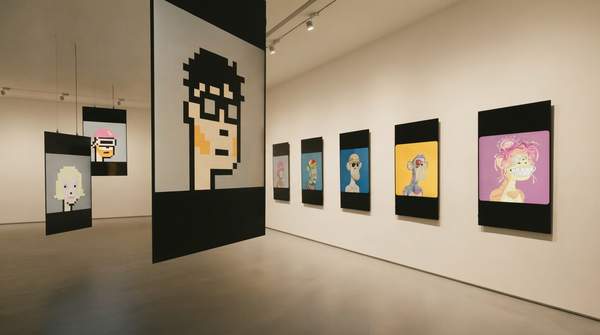
Collecting digital art is not like collecting anything else. A canvas can hang on a wall for a century with minimal intervention; a digital artwork begins aging the moment it is created, dependent on software, hardware, and human expertise that may not exist in twenty years. The central challenge for any collector is twofold: technical fragility and ethical ambiguity. Before acquiring a work, you need to know what it depends on to run, what the artist intends for its future, how its authenticity is documented, and who will care for it long-term. This article separates those concerns and turns them into a practical checklist.
Introduction: The Unique Impermanence of Digital Art
We tend to imagine digital art as permanent — free from dust, decay, and time. The reality, as the Arctic World Archive observes in its discussion of preservation ethics, is the opposite: nothing vanishes faster than data. Formats die, servers are shut down, and encryption keys are lost. Thousands of digital artworks have already disappeared because the software that created them no longer exists, and entire categories of practice — interactive pieces from the early 2000s, VR installations, web-based exhibitions — have quietly faded into what the archive calls technical extinction.
This fragility is what makes digital art collecting ethically loaded in a way traditional collecting is not. Every act of preservation, the archive argues, carries a moral weight: deciding which works survive is a collective choice, and sometimes a collective bias. For a private collector, that moral weight lands on practical decisions — whether to migrate a work to new formats, whether to emulate obsolete systems, whether to keep it accessible or locked away safely. None of these choices is neutral, and none can be deferred indefinitely.
Technical Challenges: Navigating Obsolescence and Fragility
The Digital Preservation Coalition's guidance note on preserving digital art identifies the core technical problem plainly: digital art relies on non-digital components and specialist knowledge for its re-creation and display. A work may need specific hardware, specific software, and specific expertise simply to be rendered as the artist intended. Remove any one of those dependencies and the work may still exist as data — but no longer exist as art.
The Arctic World Archive adds a sobering timeline to this: digital formats age faster than we do, and the mediums that define our era are already facing obsolescence. The question the archive poses — whether the institutions, platforms, or private companies we entrust with artistic heritage will still exist in a hundred years — applies directly to a collector's own arrangements. A work stored with a single platform or a single proprietary format is only as durable as that platform or format. Preservation, the archive concludes, is an act of moral navigation as much as technical expertise, and the technical half of that navigation means mapping dependencies before purchase, not after.
Ethical Dilemma 1: Authenticity vs. Intervention
The first core dilemma is philosophical but has immediate consequences for owners. As Dr. Arfa Sayeda Zehra of Forman Christian College writes in a 2024 study of ethical dilemmas in art restoration, these practices involve a constant tension between authenticity and intervention. The central question is determining the extent to which an artwork should be intervened upon: whether to retain original materials or replace them with modern equivalents, and how to address damage without altering the artist's original intent.
In digital art, "intervention" is not optional — it is inevitable. Migrating a work to a new format, emulating an obsolete operating system, or re-coding a broken interactive element all change something. The Digital Preservation Coalition's guidance note is clear on who should anchor these decisions: the artist's view is essential to understanding the artwork, including its conceptual elements and work-defining properties, and artists and their technical teams are usually best placed to provide information about display and production techniques that must inform any preservation decision, such as migrating between media formats. Artists also need to give permissions for specific activities, from displaying the work in a gallery to publishing images or recordings online. For a collector, this means the artist's intent is not a courtesy — it is the primary reference point for every future intervention.
Ethical Dilemma 2: The Environmental Footprint of Digital Storage
The second dilemma is one many collectors never see. The Arctic World Archive notes that preserving digital art requires vast amounts of energy, and that the servers storing our creative memory emit as much CO₂ as some nations. Every byte saved has a physical cost — one often invisible to those who click "upload." Preservation, once an act of care, can paradoxically contribute to the degradation of the planet that inspired the art in the first place.
Writing on ethical concerns around technology in the art market, Isabella de Souza similarly flags sustainability in art technology as a live issue alongside authenticity and transparency. The implication for stewardship is uncomfortable but simple: long-term digital storage is not a one-time purchase but an ongoing energy commitment. A collector planning to preserve a work for decades is, whether they think about it or not, making an environmental decision — and the ethical weight of that decision belongs in the same conversation as the work's artistic value.
Digital Art Preservation Checklist for Collectors
Use this checklist to systematically evaluate a specific digital artwork before acquisition. For each area, ask the artist, gallery, or seller the questions below; any area where you cannot get a clear answer is a gap requiring further documentation before you commit. The result is a high-level risk assessment identifying where the work is vulnerable and what needs to be clarified.
| Challenge Area | Core Issue | Questions to Ask Before Acquisition | Qualification |
|---|---|---|---|
| Technical Viability | Digital art relies on non-digital components and specialist knowledge for re-creation and display. | What hardware, software, and expertise does the work need to run? What happens when a dependency becomes obsolete? | Includes hardware, software, and specific expertise to ensure the artwork can be accessed and rendered as intended. |
| Artist Intent | Preservation must balance authenticity with long-term viability, informed by the artist's views. | What is the artist's vision for display, interaction, and acceptable modification? What permissions are required for future uses? | Understanding the artist's original vision for display, interaction, and acceptable modifications is crucial for ethical preservation. |
| Authenticity & Provenance | Verifying authenticity is complicated by anonymity in transactions and the need for clear ethical guidelines for technology adoption. | What documentation confirms the work's originality and history beyond the transaction record? | The digital nature of the work requires robust documentation beyond traditional provenance records to confirm originality and history. |
| Long-term Stewardship | Those who hold the work must be able to find, access, and store it safely, balancing access against protection. | Who will manage the files, metadata, and display requirements over decades? What is the plan if your arrangements end? | Involves ongoing management of digital files, metadata, and display requirements to ensure the work's integrity and availability. |
| Ethical Dilemma: Authenticity vs. Intervention | Every preservation method involves compromises between the original state and necessary intervention. | When migration or emulation is eventually required, what standard will govern how far intervention may go? | Restorers, historians, scientists, and ethicists collaborate on these challenges, with authenticity as the focus. |
| Ethical Dilemma: Environmental Impact | Long-term digital storage requires vast amounts of energy, with servers emitting significant CO₂. | What is the storage footprint of preserving this work indefinitely, and how will you account for it? | The environmental cost of long-term digital storage is a critical ethical consideration for collectors and institutions. |
The first four rows form the acquisition assessment proper; the last two are the ethical frame that should shape your answers to all of them. A work with unmapped technical dependencies and an unavailable artist is a high-risk acquisition regardless of its artistic merit — not because it cannot be preserved, but because no one has yet defined what preserving it means.
Making Informed Choices for Digital Art Stewardship
Collectors should proactively engage with artists and institutions to understand and document the specific preservation requirements and ethical considerations of each digital artwork they acquire. The evidence points in one consistent direction: the artist's documented views on display, migration, and acceptable modification are the anchor for every later decision, and technical dependencies must be mapped while the artist and their technical team are still reachable. The alternative — acquiring first and asking later — is how works join the ranks of those the Arctic World Archive describes as having quietly faded into technical extinction.
The measurable indicator of success is straightforward: a collector has successfully documented the artist's intent, technical dependencies, and long-term stewardship plan for a newly acquired digital artwork. If, after your conversations with the artist or gallery, you can point to a written record covering all three, you have done what the current state of practice supports. If you cannot, that gap — not the artwork's price or prestige — is the first thing to resolve.