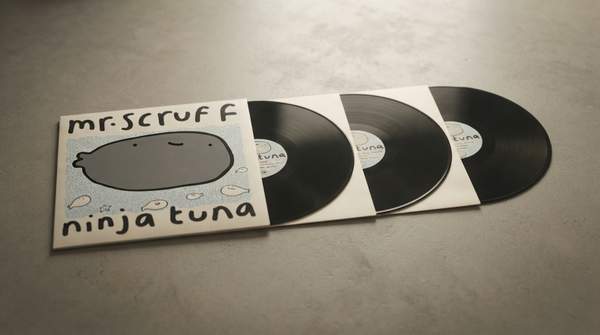
If you want to understand experimental electronic music, start with the labels. Three independents—Planet Mu, R&S Records, and Ninja Tune—each built a distinct curatorial identity that shaped entire subgenres. Planet Mu carried Chicago footwork to the world; R&S laid foundations for experimental techno; Ninja Tune fused electronic experimentation with instrumental hip-hop. Here is how their histories, rosters, and philosophies differ.
Planet Mu: Pioneering UK Electronic and Footwork
Planet Mu was founded in 1995 by Mike Paradinas, the producer behind μ-Ziq, and began as an imprint of Virgin Records before becoming fully independent. According to PLAYY. Magazine, it has spent more than 30 years championing artists willing to push electronic music beyond conventional boundaries.
The label's catalogue has moved through an unusually wide range of styles: IDM, jungle, breakcore, grime, dubstep, and Chicago footwork. That last genre is central to its legacy. Planet Mu is credited with helping introduce groundbreaking artists including Venetian Snares, Jlin, RP Boo, Ital Tek and Kuedo to wider audiences—meaning the label's role in footwork went beyond releasing records to actively building a bridge between a Chicago dance culture and international electronic audiences.
The roster tells the story. Venetian Snares defined breakcore's abrasive, complex possibilities; Jlin and RP Boo brought footwork's frenetic, sample-chopped logic into experimental electronic circles far from its Chicago origins. Planet Mu's curatorial signature is restlessness: rather than anchoring to one scene, it follows singular, boundary-pushing sounds wherever they come from.
R&S Records: A Foundation for Experimental Techno and Dance
R&S is the elder statesman of this comparison. The Belgian label was formed in 1984, making it, as Recording Connection notes, one of the oldest independent labels around, steeped in groundbreaking experimental music in dance and electronic genres.
Its catalog explains its reputation: Aphex Twin, Ken Ishii, James Blake, Vondelpark, Paul White, and Nicolas Jaar, among others. That range is remarkable—Aphex Twin and Ken Ishii connect R&S to the foundational era of experimental techno, while James Blake and Nicolas Jaar represent a later generation of artists who bent electronic music toward songwriting and atmosphere.
R&S's significance is historical as much as curatorial. By releasing early Aphex Twin material, the label helped establish the template for what experimental dance music could be: technically adventurous, emotionally unpredictable, and unmoored from the dancefloor's functional demands. Where Planet Mu roams across genres, R&S built its identity on being present at the creation of experimental techno itself.