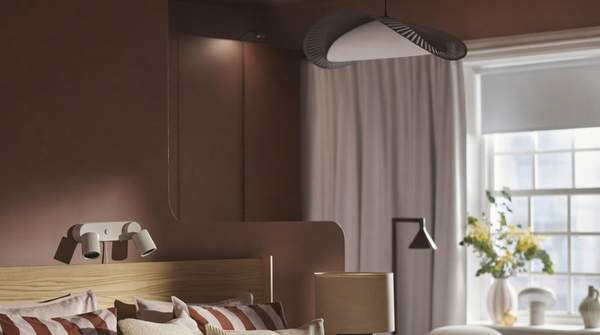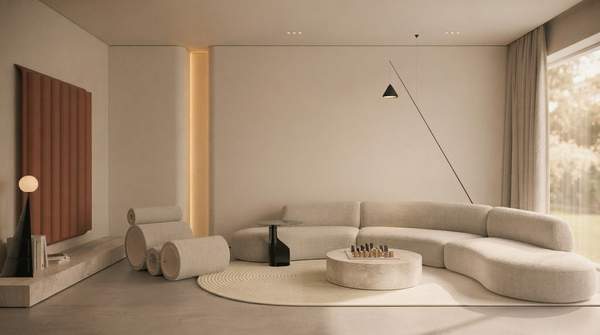
Slow design is a philosophy of making furniture and decor deliberately: favoring durable natural materials, skilled craftsmanship, and forms that outlast trends. For a minimalist home, it offers something more concrete than a look—it provides a way to test every purchase against questions of longevity, origin, and personal fit. The core evaluation criteria are material and construction quality, timelessness, sustainability, personal value, and ethical origin.
Understanding Slow Design: More Than Just a Trend
Slow design takes its cue from the slow food movement: it resists mass commercialization and designs for people rather than for the market, valuing craftsmanship and the essence of each creation, as the tile and interior brand TAU describes it. The goal is to minimize environmental impact by reducing energy use and avoiding toxic materials.
Andrea Claire, an interior designer writing on slow design principles, notes that the movement celebrates the collaboration of craftsmen and chooses quality craftsmanship over mass-made production, designing objects with well-being in mind. Importantly, slowness does not refer to how long something takes to make—it refers to the intentionality behind it.
The practical stakes are real. As the slow-living journal Slow Living LDN observes, considered design can cost more and take longer to produce, while cheaply made items can be delivered within days. The constant lure of fast, disposable home goods is exactly what slow design asks you to resist.
The 'Less But Better' Philosophy: Slow Design Meets Minimalism
Minimalism and slow design reinforce each other. Where minimalism reduces the number of things in a room, slow design raises the quality and meaning of what remains. Writing for DROOL, Alex Liepman argues that the heart of the slow design ethos is discovering your personal style so that each item aligns with your values—an intentionality that reduces impulse purchases and ensures each addition contributes meaningfully to the space.
This is what keeps minimalism from feeling cold. A sparse room filled with cheap, anonymous pieces feels unfinished; the same room with a few well-made, personally chosen pieces feels curated. NV Gallery frames the slow approach around three pillars—good (quality products that satisfy the senses), clean (ecological and healthy manufacturing), and fair (fair working conditions)—turning decorative choices into conscious acts.
Visually, the integration follows minimalist principles: a neutral, low-contrast palette—Ivory, beige, greige, taupe, gray, and brown work as well as white, according to Emilceramica's minimalist design guide—paired with natural materials and simple forms, so that fewer, more meaningful pieces carry the room.
Your Slow Design Evaluation Checklist
Before any purchase, run the item through these five dimensions. Each question comes directly from documented slow design principles.
| Principle | What it means | Questions to ask before buying |
|---|---|---|
| Mindful creation | Thoughtful decisions about materials and processes, prioritizing individual, social, and environmental well-being. | Was this designed for people or for the market? Does it combine function and beauty? |
| Sustainable materials | Natural, eco-responsible materials—FSC-certified wood, organic textiles, recycled metal—with local sourcing and minimal chemical treatment. | What is it made of? Where was it sourced? Were toxic materials avoided? |
| Timeless design | Forms that improve with age rather than succumb to obsolescence. | Will I like this in ten years? Does it follow trends or fundamental, enduring forms? |
| Personal value | Alignment with your own style and values, reducing impulse purchases. | Do I really need this? Does it reflect who I am and what I love? |
| Ethical origin | Fair working conditions and transparent production. | Where does it come from and under what conditions was it made? |
The three questions NV Gallery poses before each purchase—"Do I really need this object? Will I like it in ten years' time? Where does it come from and under what conditions was it made?"—capture the framework in miniature. If an item fails on material quality or ethics, no aesthetic appeal compensates; if it fails on personal fit, it will not survive your next redecoration.
Material & Construction Quality: The Foundation of Longevity
Longevity starts with what the piece is made of. The Oblist's guidance on slow design furniture is specific: look for solid wood construction, traditional joinery techniques, and simple, elegant forms, and avoid overly trendy colors, excessive decoration, or materials that show wear quickly.
Distinguishing solid wood from veneer and laminate is a practical skill. According to Steiner's Amish Furniture, laminate is a decorative surface bonded to a core with manufactured colors and patterns; veneer is a thin layer of real wood bonded to a core; solid wood consists of boards that may be joined together. The reliable method is to start with the manufacturer's material specifications, then inspect the edges, underside, and any exposed cross-sections.
| Feature | Laminate | Wood veneer | Solid wood |
|---|---|---|---|
| Construction | Decorative surface bonded to a core | Thin layer of real wood bonded to a core | Wood boards, possibly joined together |
| Appearance | Manufactured colors and patterns | Natural wood grain | Natural wood grain |
| Refinishing | Cannot be sanded and stained like wood | Depends on veneer thickness and condition | Often allows sanding and refinishing |
| What to check | Surface quality, edges, core material | Veneer thickness, core, construction | Wood species, joinery, finish |
The refinishing row matters most for slow design: solid wood can often be sanded and renewed, extending its life across decades, while laminate cannot. A piece that can be repaired and refinished is a piece that avoids the landfill.
Timelessness and Aesthetic Longevity: Designing for the Future
Timeless design is a sustainability strategy, not just a style preference. The Oblist notes that slow design furniture prioritizes forms that improve with age rather than succumb to obsolescence, and that its benefits include reduced environmental impact, long-term cost savings, and superior quality. The reasoning is simple: durable, well-crafted items need replacing less often, which reduces waste.
Timelessness comes from restraint. Pieces built on fundamental design principles that have appealed to people across cultures and centuries—neutral finishes, classic silhouettes, quality hardware—resist the cycle of aesthetic updates that drives disposal. In a minimalist interior this doubles as a visual advantage: a neutral palette with subtle contrasts, as Emilceramica's guide recommends, lets enduring materials and forms carry the space without ornamentation.
Craftsmanship & Ethical Origin: Supporting Mindful Production
The final dimension concerns how and by whom a piece was made. Andrea Claire's account of the movement emphasizes collaboration with craftsmen and quality workmanship over mass production; NV Gallery's "fair" pillar asks whether working conditions along the supply chain were equitable. Transparency is the practical test: a maker who can tell you where the wood came from, who built the piece, and under what conditions is usually one who has nothing to hide.
This is also where slow design carries a cost. Slow Living LDN is candid that more considered design can cost more and take longer to produce, making it less accessible to some buyers. The honest trade-off is higher upfront price in exchange for durability, repairability, and a lower lifetime environmental footprint.
Making Intentional Choices for a Timeless Home
The decision is to adopt slow design principles to make intentional purchasing decisions for furniture and decor, creating a sustainable and authentic minimalist interior. The measurable indicator is a home environment that feels cohesive, warm, and reflects personal values, with fewer, higher-quality items that endure over time. Run every candidate purchase through the five questions—need, materials, longevity, origin, and personal fit—and let items that fail wait until you find ones that pass.
Sources
- Slow Design: The new essence of interior design – TAU cerámica — Tauceramica
- Slow Design: Principles & Elements — Andrea Claire Studio
- The 6 Principles of Slow Design — Slow Living LDN.
- 5 Ways to Adopt Slow Design Principles When Decorating Your Home — DROOL
- Slow deco: the keys to a minimalist, elegant interior — NV Gallery
- Minimalist interior design: a guide to creating a home from scratch — Emilceramica
- Why Slow Design Never Goes Out of Style — The Oblist
- Laminate vs. Veneer vs. Solid Wood Furniture — Steiner's Amish Furniture