In 2026, cities like Detroit and Philadelphia are actively redefining public art. The true measure of its success isn't just beauty, but its ability to expose and rectify deep-seated inequities across neighborhoods and demographics. This shift moves beyond mere aesthetics, aiming for genuine urban healing that acknowledges historical disparities.
Public art is intended to unify and beautify cities, but without intentional participatory planning, it risks exacerbating existing inequities and failing to genuinely reflect community identity.
Cities that prioritize inclusive, participatory public art policies are more likely to achieve sustainable urban revitalization and foster stronger, more equitable community identities. Those that neglect this risk superficial improvements and continued social division.
The National Civic League emphasizes that public participation in planning identifies and addresses inequities in public art across neighborhoods and demographics. Effective public art isn't just about placement; it demands a process that actively seeks out and rectifies imbalances in representation and access. Cities that merely install art without deep community engagement miss the point, turning a potential solution into a missed opportunity for genuine urban healing.
More Than Just Decoration: Public Art as Urban Strategy
In Saginaw, Texas, the Public Visual Art Policy outlines specific criteria for integrating art into urban spaces. AMT-Lab notes that public art can be intentionally used in urban design. This makes art a deliberate tool, not an afterthought, for achieving civic goals. However, intentional integration alone is insufficient. Without the participatory planning emphasized by the National Civic League, this strategic approach remains blind to inequities, rendering it ineffective for social change.
When approached strategically, public art moves beyond simple beautification. It communicates civic values and shapes urban character. This integration ensures art contributes to a broader city vision, rather than existing in isolation.
The Power of Participation: Crafting Community Reflection
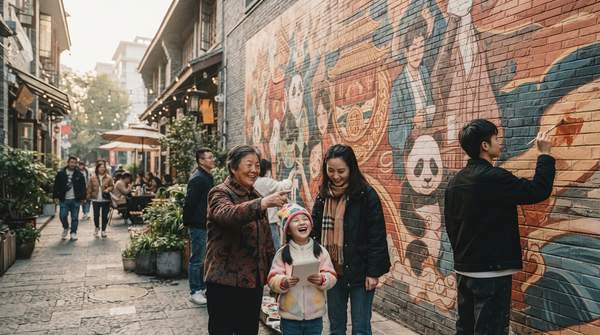
A ScienceDirect study on placemaking in three European cities found community involvement key. The National Civic League confirms participatory public art increases involvement and better reflects its communities. When residents shape art, it embodies local values, fostering deeper ownership and identity. Community members bring unique perspectives and historical context, ensuring art resonates with local narratives. This collaborative approach transforms art from an imposed object into a shared cultural asset, building social capital and strengthening neighborhood bonds.